
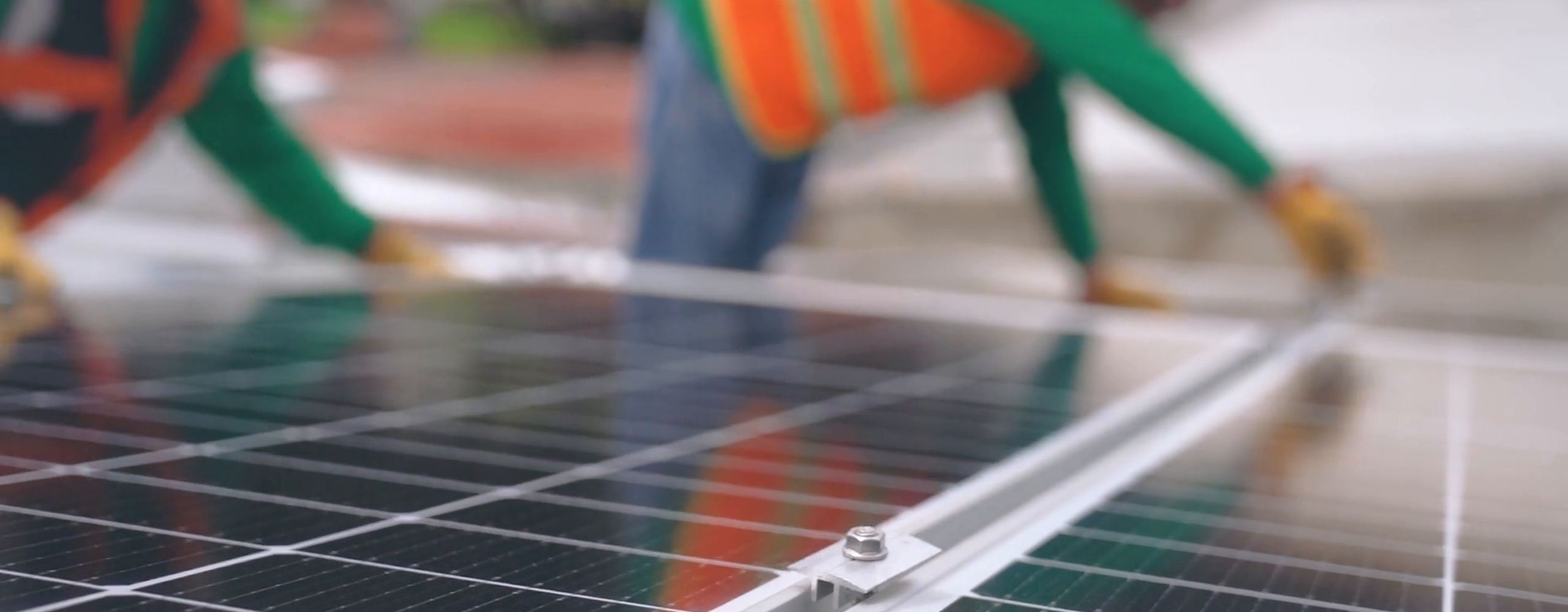
Solar for your home
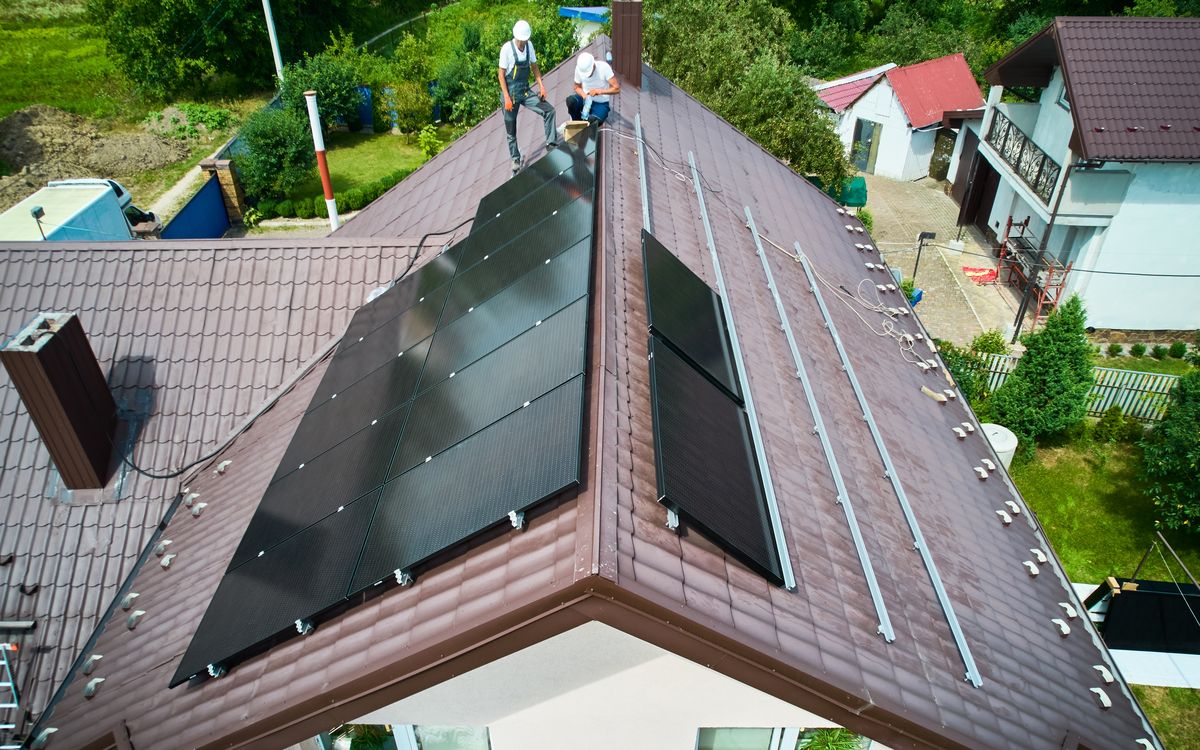
Pitched roof, flat roof or façade. Sizing follows your consumption profile rather than the maximum number of modules that would fit — that is what decides the return.
Solar · Storage · Luxembourg
We design, supply and install solar systems across Luxembourg, using European-made modules and batteries. The 2026 Klimabonus comes straight off your invoice, so you never front the money.
Subsidy calculator
The 2026 Klimabonus follows a tapering formula, not a flat percentage. Move the sliders and the figures update instantly. Nothing is sent anywhere and nothing is stored — it all runs in your browser.
Rule of thumb: roughly 5 m² of roof per kWp. A household using 4,500 kWh a year usually lands between 6 and 9 kWp.
Eligible from 2 kWh; the maximum amount is reached at 9 kWh.
All-in rate including grid, levies and VAT. Luxembourg households in 2026 typically sit between €0.25 and €0.32 per kWh.
Ballpark figure for a turnkey system in Luxembourg. Overwrite it as soon as you have a real quote.
Indicative estimate only — not an offer and not a guarantee of funding. Basis: Klimabonus Wunnen, 2026 regime — solar P × (1,155 − 1,155/35 × P), capped at €10,000; battery Q × (500 − 500/18 × Q), capped at €2,250. Output calculated at 950 kWh per kWp per year (Luxembourg ranges from 850 in the north to 1,000 in the Moselle valley); exported surplus valued at €0.06/kWh. The self-consumption share is modelled, not measured.
Solutions
From a single family home to a warehouse with 215 kWh of storage. We deliver a system, not just modules.
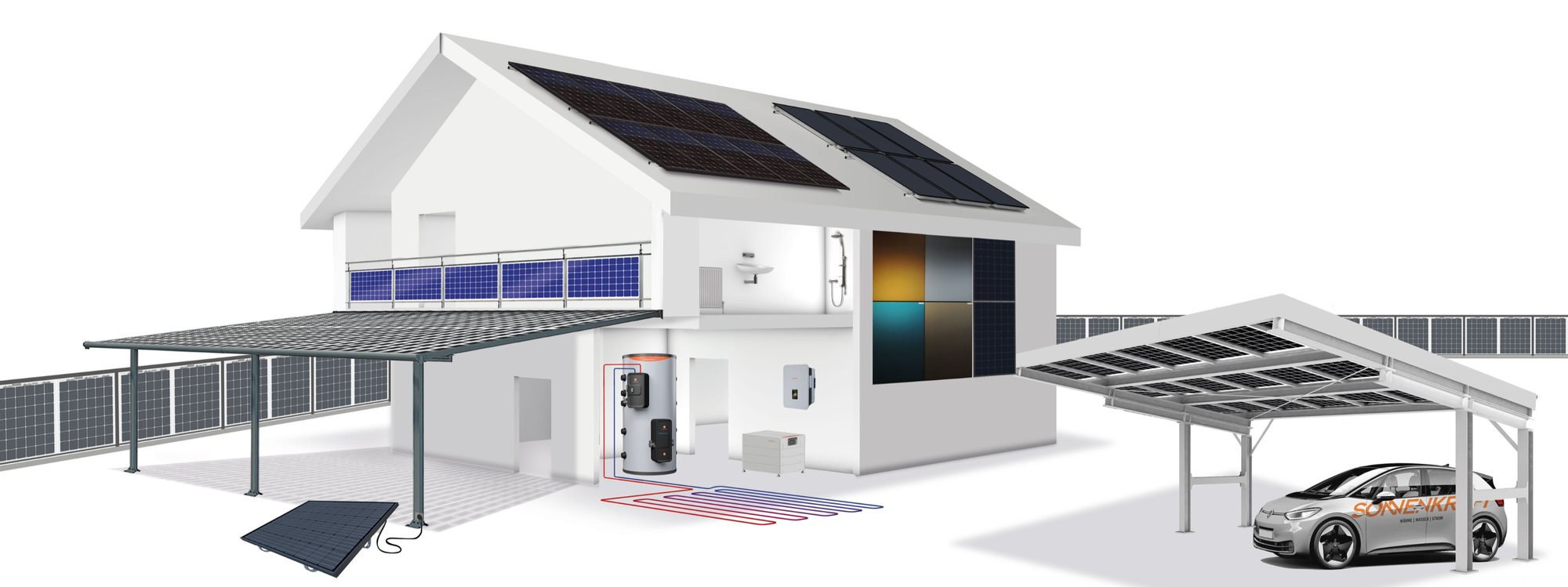
Everything works together: modules on the roof, battery in the plant room, heat in the water, surplus into the car. Hover the markers.
System illustration: SONNENKRAFT
Pitched roof, flat roof or façade. Sizing follows your consumption profile rather than the maximum number of modules that would fit — that is what decides the return.
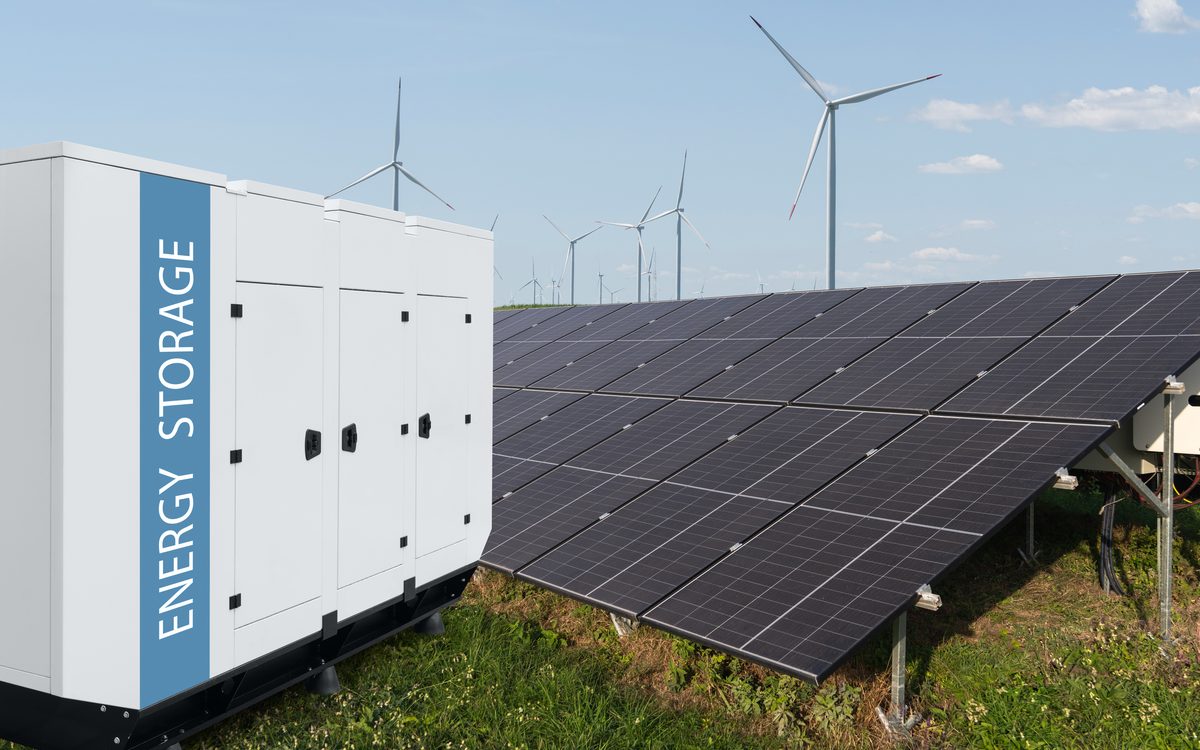
Modular from 5 kWh, up to 29 kWh within one metre of height. With backup power, lights, fridge and router stay on during an outage.
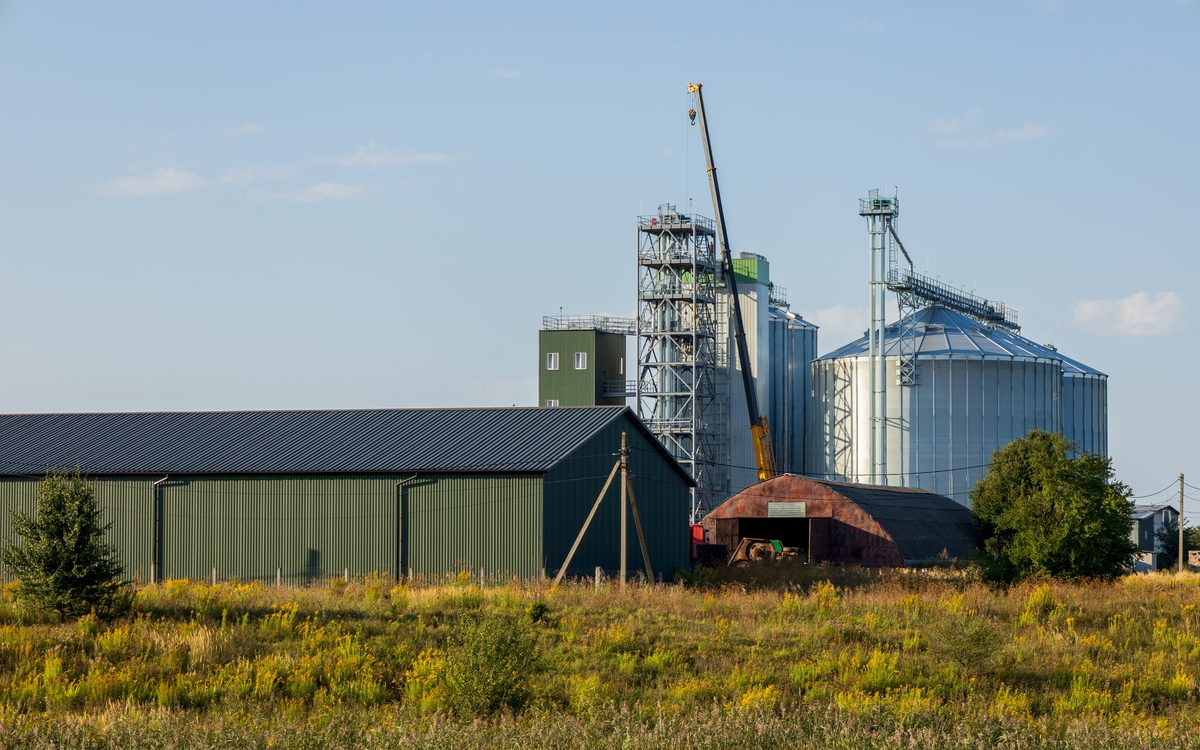
AC storage with 215 kWh capacity and 100 kW charge and discharge, liquid-cooled, up to ten units in parallel. Built for peak shaving and off-grid sites.
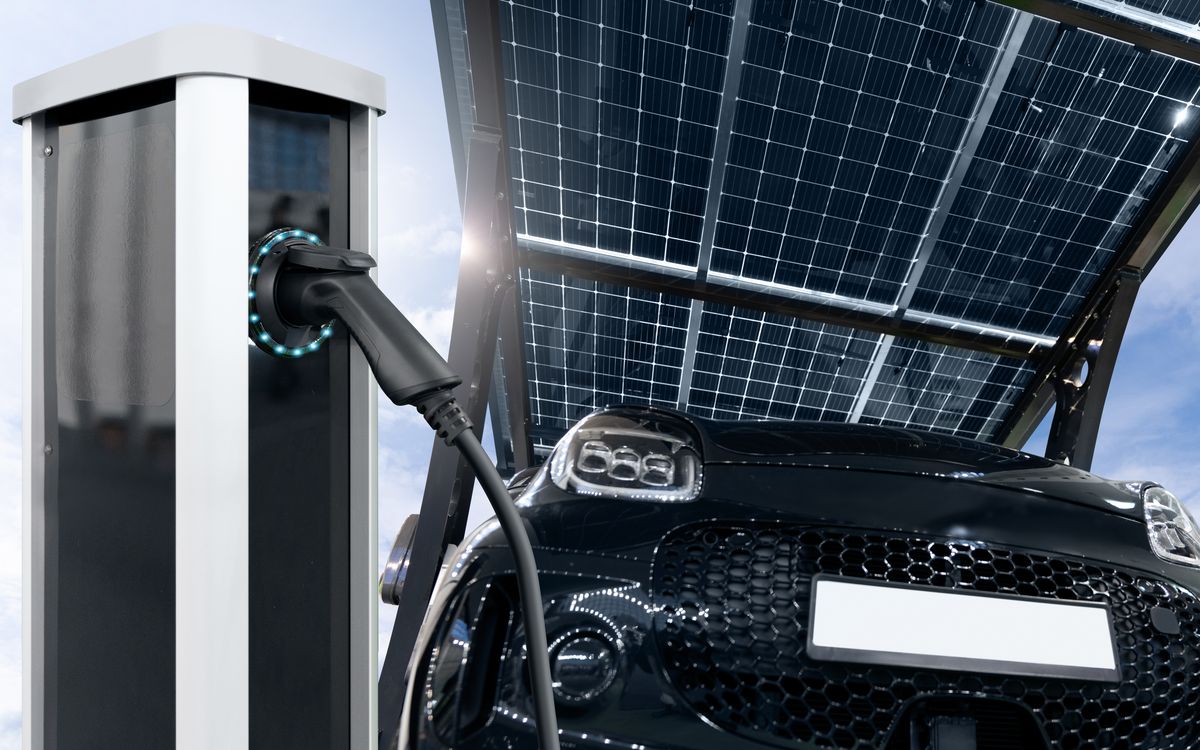
Charge when the sun is out. Energy management routes surplus to the car, the battery and hot water instead of exporting it.
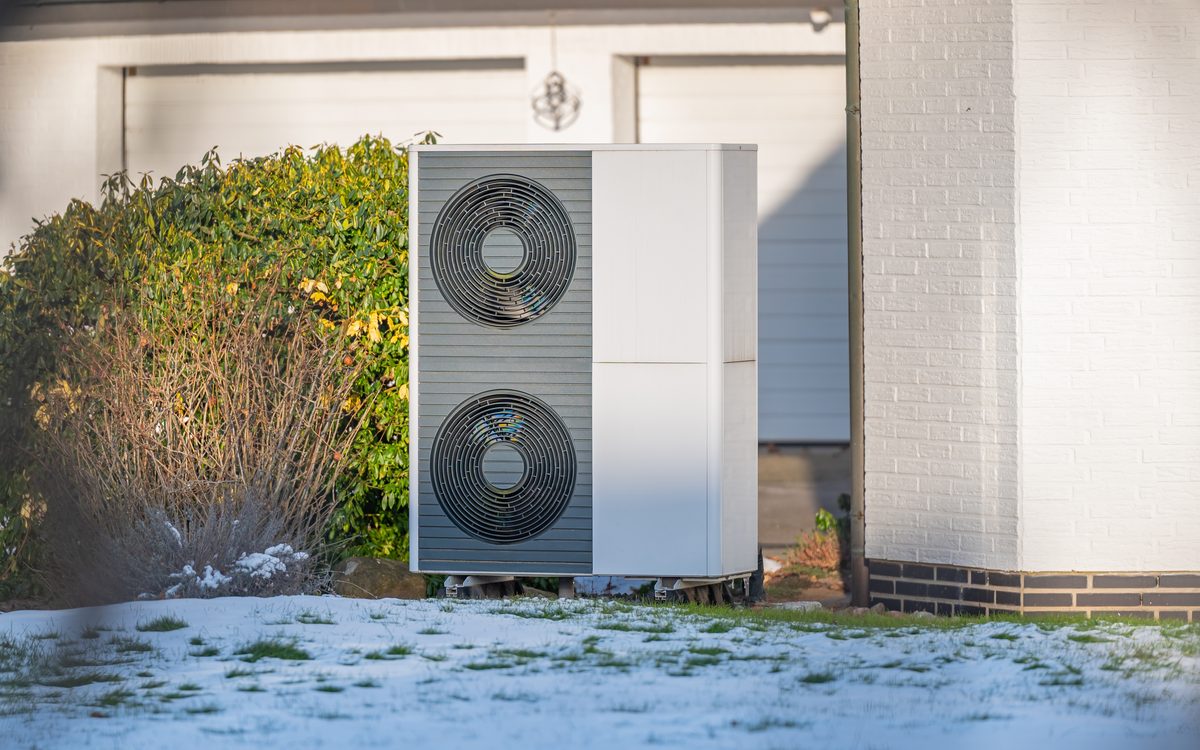
An air-to-water heat pump running on your own solar electricity, plus the fresh-water system tank: hot water without legionella risk, self-consumption up to 100 %.
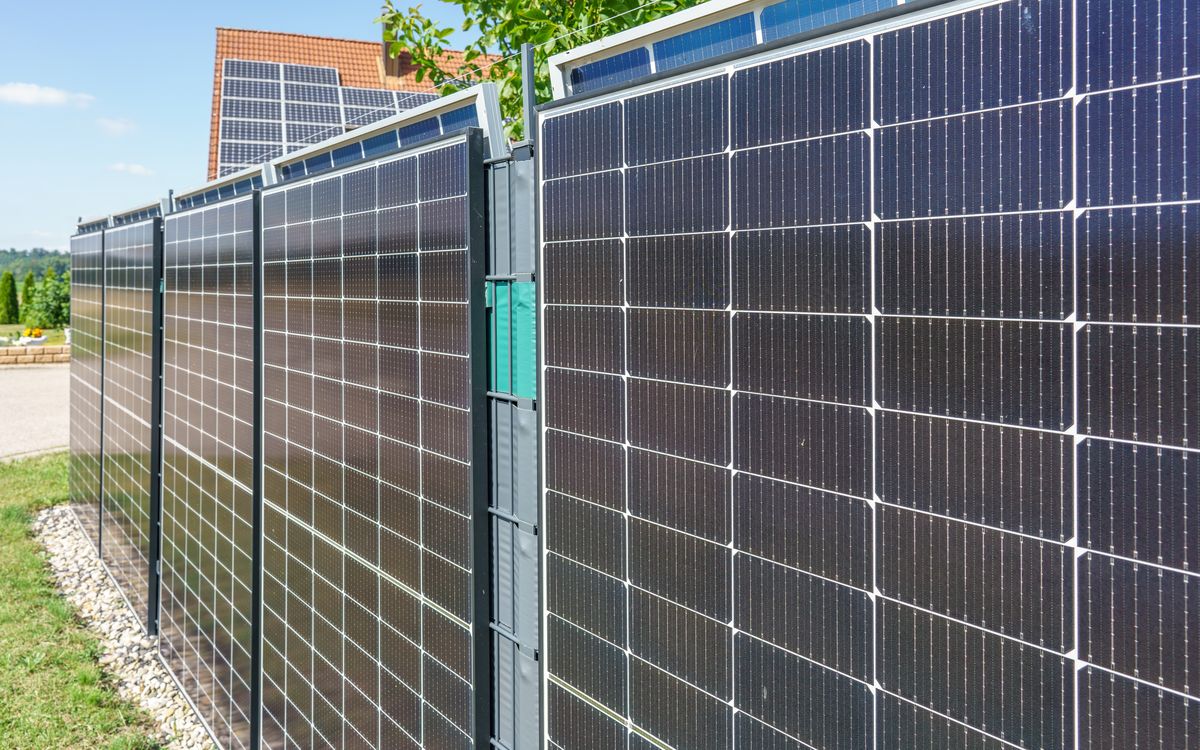
Carport, balcony, fence, terrace roof. Bi-glass modules with bifacial cells capture up to 30 % extra light through the back.
Subsidies 2026
The new Klimabonus Wunnen regime has applied since 4 January 2026. Two things changed fundamentally: fixed formulas instead of percentages, and no more fronting the money.
| Measure | Subsidy | Condition |
|---|---|---|
| Solar PV in self-consumption | up to €10,000 | Formula P × (1,155 − 1,155/35 × P). Maximum from 15 kWp, minimum 2 kWp. Requires waiving the guaranteed feed-in tariff. |
| Battery storage | up to €2,250 | Formula Q × (500 − 500/18 × Q). Maximum from 9 kWh, minimum 2 kWh of usable capacity. |
| Energy management system | €500 | For invoices issued from 1 October 2026, where at least two devices are connected — a battery and a charging point, for instance. |
| Air-to-water heat pump, existing home | up to €10,000 | €6,000 where no fossil boiler or direct electric heating is being replaced. |
| Ground-source heat pump | up to €12,000 | Single family home. In apartment buildings the amount is per dwelling, capped at €50,000. |
| Solar thermal for hot water | €2,500 | €4,000 with heating support. A further €1,000 if fitted at the same time as a heat pump or wood boiler. |
| Connection to a heat network | up to €8,000 | €4,000 where no fossil boiler is being replaced. |
Klimabonus or guaranteed feed-in tariff — since 4 January 2026 you have to choose.
Taking the Klimabonus means running the system in self-consumption mode and waiving the statutory feed-in payment. Surplus can still be exported and sold at market price. For households, self-consumption usually wins over fifteen years, because avoided grid electricity is worth more than exported electricity. We model both before you sign anything.
The super-reduced rate applies to the supply and installation of new solar systems, regardless of size. Storage batteries are excluded and stay at 17 % — both must appear separately on the quote.
The approved installer deducts the Klimabonus directly from your invoice and settles with the state. You pay only the balance. This covers new systems with or without a battery fitted at the same time; a battery retrofitted later follows the classic route.
Many Luxembourg communes add something on top. Amounts vary widely; the Klima-Agence simulator shows what applies where you live. We check it while preparing your quote.
Energy suppliers pay additional premiums for efficiency measures. They stack with the Klimabonus but come with their own conditions — the application has to be filed before work starts.
Process
Around six weeks from signature to commissioning, when the grid operator and the weather cooperate.
We talk consumption, roof, orientation and shading. One look at your last electricity bill beats any estimate. Remote analysis or a site visit — whichever suits you.
You get a layout with an output forecast, a quote with VAT shown separately, and the subsidy calculation alongside it. Both scenarios — self-consumption with Klimabonus, and the feed-in tariff — side by side.
We handle the Klimabonus application with pre-financing, the registration with grid operator Creos and, where needed, the exchange with your commune.
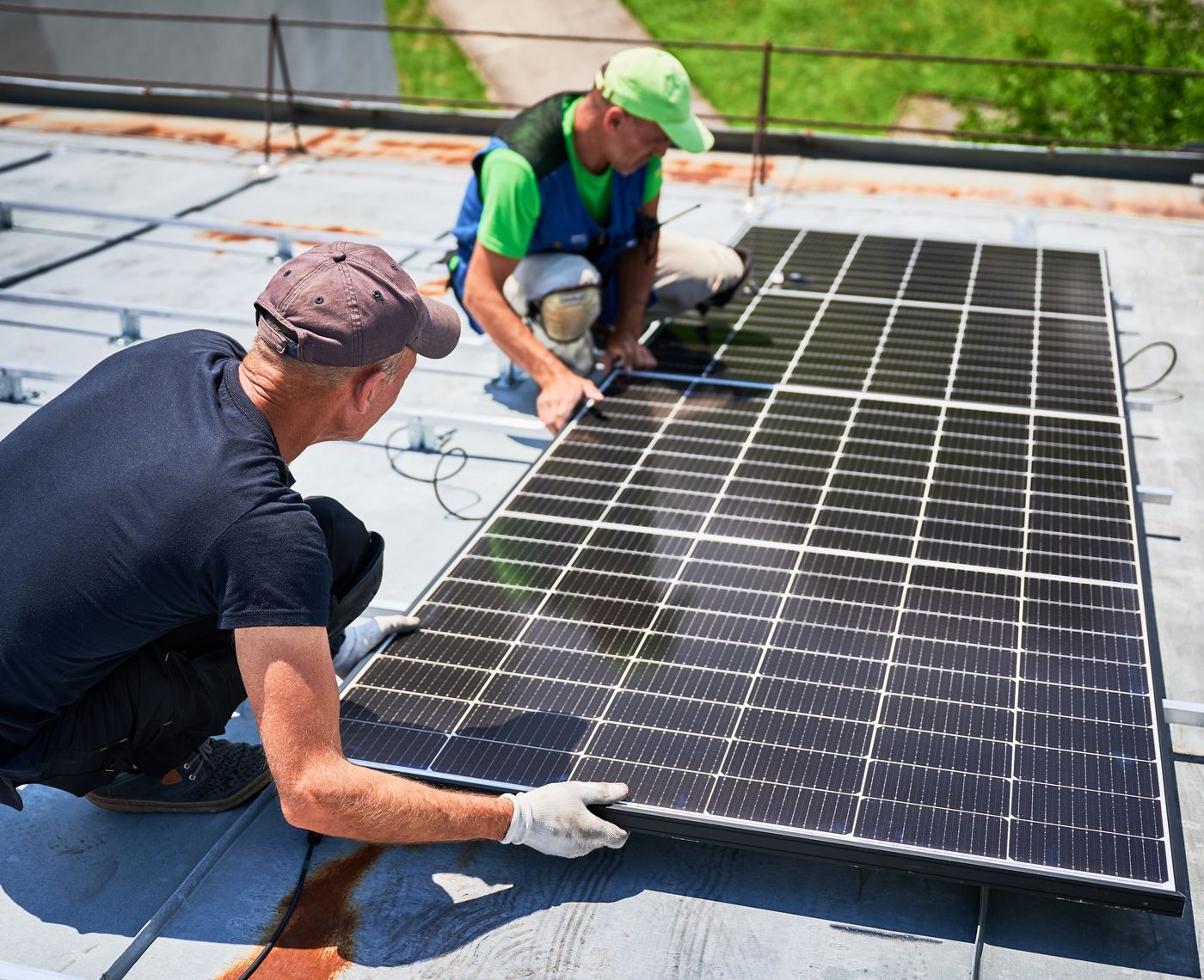
Mounting rails, modules, inverter, battery, meter cabinet. One to two days on the roof for a family home, then the electrical connection.
Handover, a walkthrough of the app, monitoring. Output, consumption and state of charge visible at any time. Maintenance and callouts run through the installation partner.
Technology and catalogues
We work with SONNENKRAFT of St. Veit an der Glan in Austria: more than three decades of solar systems and a 30-year product warranty on the modules. The data sheets are available here.
Power, Alpin and Terracotta module series, bi-glass modules for terrace roofs and carports, home storage up to 29 kWh. Made in Europe, 30-year warranty.
All-in-one AC storage, 215 kWh capacity, 100 kW power, liquid cooling, IP54, up to ten units in parallel. For agriculture, commerce and industry.
System tank with fresh-water station and stratification technology. Hot water without legionella risk, self-consumption up to 100 %.
New for 2026: the Sonnenkraft battery at 5 kWh per unit, modular up to 29.5 kWh, and a 460 Wp bi-glass module in full black with a black ceramic print.
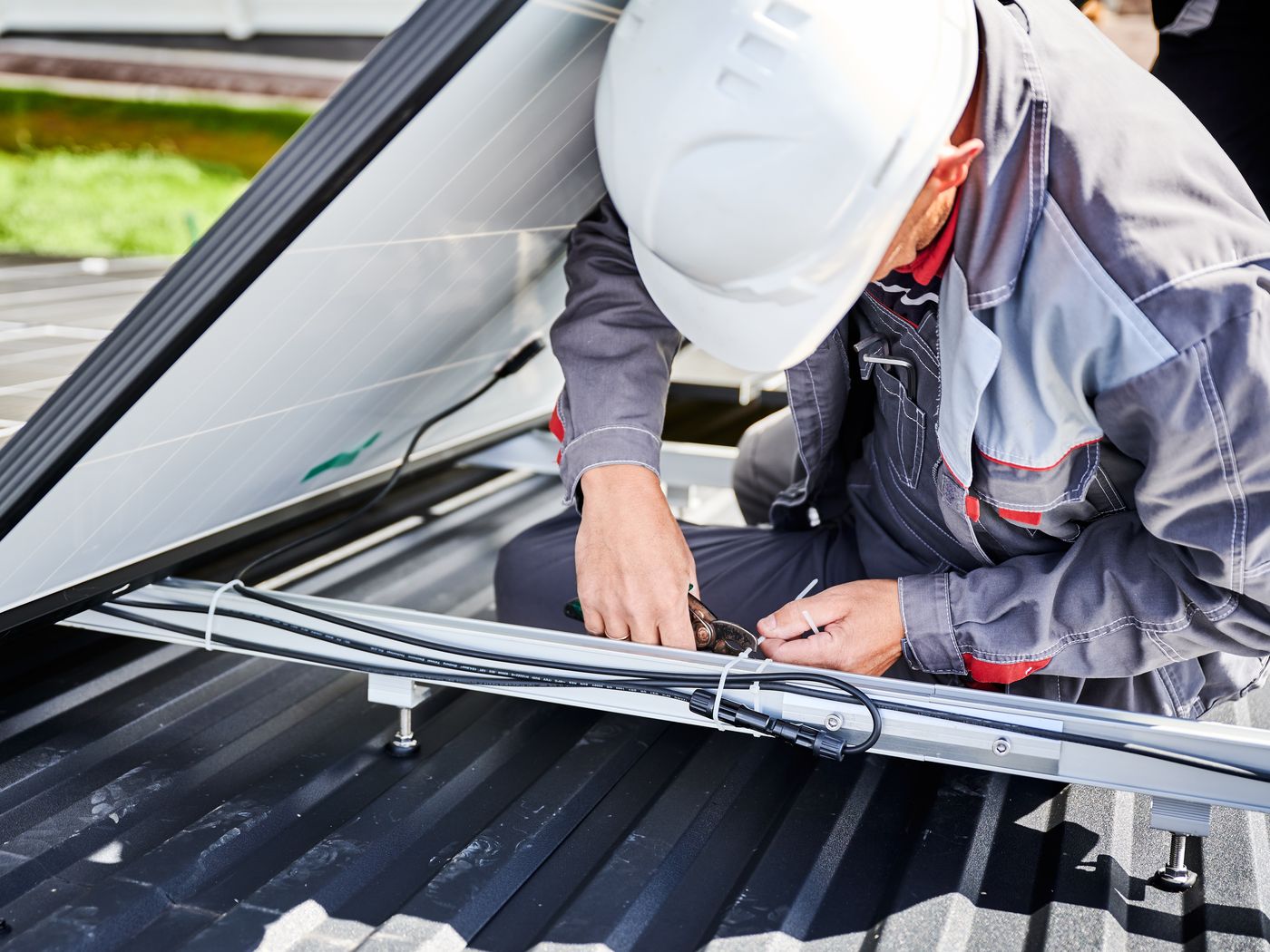
Modules age. What matters is how fast. We favour European production with a documented supply chain, because a warranty is only worth as much as the manufacturer still standing in twenty years.
Who is behind this
energysolutions.lu is where you start. The design and installation are done by people who have been at it for 23 years.
 iSOLUTIONS
The company behind energysolutions.lu. We run the conversation, gather the paperwork and stay on it until the meter turns.
 SOLPALUX
A Luxembourg solar company, 23 years in the trade and over a hundred completed projects. Advice, planning, permits, installation and maintenance from one team.
Frequently asked
Contact
The more precise your details, the more concrete our first reply. We answer within one working day.
Usually answered the same day. Please note that WhatsApp belongs to Meta.
A free layout with output forecast and a full subsidy calculation — before you decide anything.